

How Much Weight Can You Lose After Gastric Sleeve Surgery?
The question sounds simple.
How much weight will I lose?
In clinic, however, it is often the least useful question. Two patients may undergo the same operation on the same day, under the same surgeon, with almost identical starting weights, yet look remarkably different eighteen months later.
The explanation is rarely mysterious. It usually lies in dozens of small decisions made long after the operation itself.
People naturally focus on the number on the scale. Experienced bariatric teams tend to focus on something else: whether the patient is building a routine that can withstand the demands of everyday life.
Because ordinary life always returns.
The operation lasts a few hours.
The behaviours that determine long-term success are repeated thousands of times afterwards.
That difference is easy to overlook before surgery and impossible to ignore several years later.
There is no single number that applies to everyone
Imagine two patients who both begin surgery at roughly the same weight.
The first leaves hospital determined to reach a specific number by a specific date. Every week becomes an examination. Every plateau feels like failure.
The second has a different objective. She decides that for one year she will attend every follow-up appointment, drink enough water, prioritise protein, and continue walking regardless of what the scale says that morning.
Twelve months later, their operations are identical.
Their relationship with recovery is not.
One spent the year negotiating with the scale.
The other spent the year building habits.
Many people search online hoping to find an exact figure:
“If I weigh 120 kg, how much will I weigh after surgery?”
Real life does not work that way.
Age matters.
Starting weight matters.
Metabolic health matters.
Diabetes can influence the pace of weight loss.
Physical activity matters.
Eating behaviour matters.
Even stress, sleep quality, medications, and follow-up attendance can gradually change the trajectory.
One observation that recurs across years of practice is that patients who obsess over reaching a particular number often become discouraged, whereas those who focus on consistently following their postoperative plan usually achieve better long-term outcomes.
Interestingly, people rarely ask the same question about other chronic conditions. A patient beginning treatment for hypertension does not usually ask exactly what their blood pressure will be on day 247. Yet obesity is often treated as if a precise mathematical answer should exist.
It does not.
Medicine can estimate averages.
Individuals rarely behave like averages.
The body responds not only to surgery but also to illness, travel, changing work patterns, ageing, family responsibilities, and countless ordinary events that cannot be predicted beforehand.
.jpg)
Weight loss usually happens in phases rather than in a straight line
One patient once described recovery as climbing a staircase in the dark.
You move.
Then you stop.
Then you wonder whether you are still moving at all.
Only when you look back do you realise you have climbed another step.
The body rarely announces adaptation dramatically. Muscle is changing. Water balance is changing. Metabolism is changing. Yet the bathroom scale reports only one measurement.
Patients often assume that if the scale is quiet, the body must also be quiet.
Clinical experience suggests otherwise.
Many patients imagine a steady downward line.
Instead, the process regularly resembles a series of steps.
The first few months are often the fastest because food intake changes dramatically when the body adapts.
Then something happens that surprises many people.
The scale slows down.
Sometimes it barely moves for several weeks.
Patients often worry that the surgery has “stopped working.”
Experienced clinicians rarely panic at this stage.
Temporary plateaus are common. The body is adjusting to major bodily changes, and the scale does not always display ongoing improvements in body composition or health.
Ironically, some patients abandon good habits during a plateau because they believe they have failed, when persistence would likely have produced continued progress.
One of the most common mistakes is interpreting a plateau as a verdict rather than a phase.
The body does not always give immediate feedback.
A patient may continue to eat appropriately, walk daily, and follow recommendations while the scale appears unchanged.
Then, seemingly without explanation, progress resumes.
The habits were working all along.
The scale was simply slower to report it.
The first year attracts the most attention, but later years reveal the real story
Most before-and-after photographs are taken within twelve months.
Few are taken five or ten years later.
Yet those later years often determine whether surgery becomes a lifelong success.
In practice, patients who maintain their results usually continue to engage with follow-up care even when everything seems to be going well.
The opposite pattern is also familiar.
Someone feels excellent.
Appointments become less important.
Vitamin supplements become occasional.
Protein intake becomes inconsistent.
Portion sizes slowly increase.
Liquid calories return.
Nothing dramatic happens.
Then, months later, the scale begins moving upward.
Weight regain rarely starts with a major event. It usually develops through dozens of tiny adjustments that seem harmless individually.
Very few patients wake up one morning having suddenly regained a large amount of weight.
The process is usually quieter.
A coffee becomes a flavoured coffee.
An occasional snack becomes a daily habit.
Walking becomes tomorrow’s plan instead of today’s routine.
Individually, these changes seem insignificant.
Collectively, they shape the years after surgery.
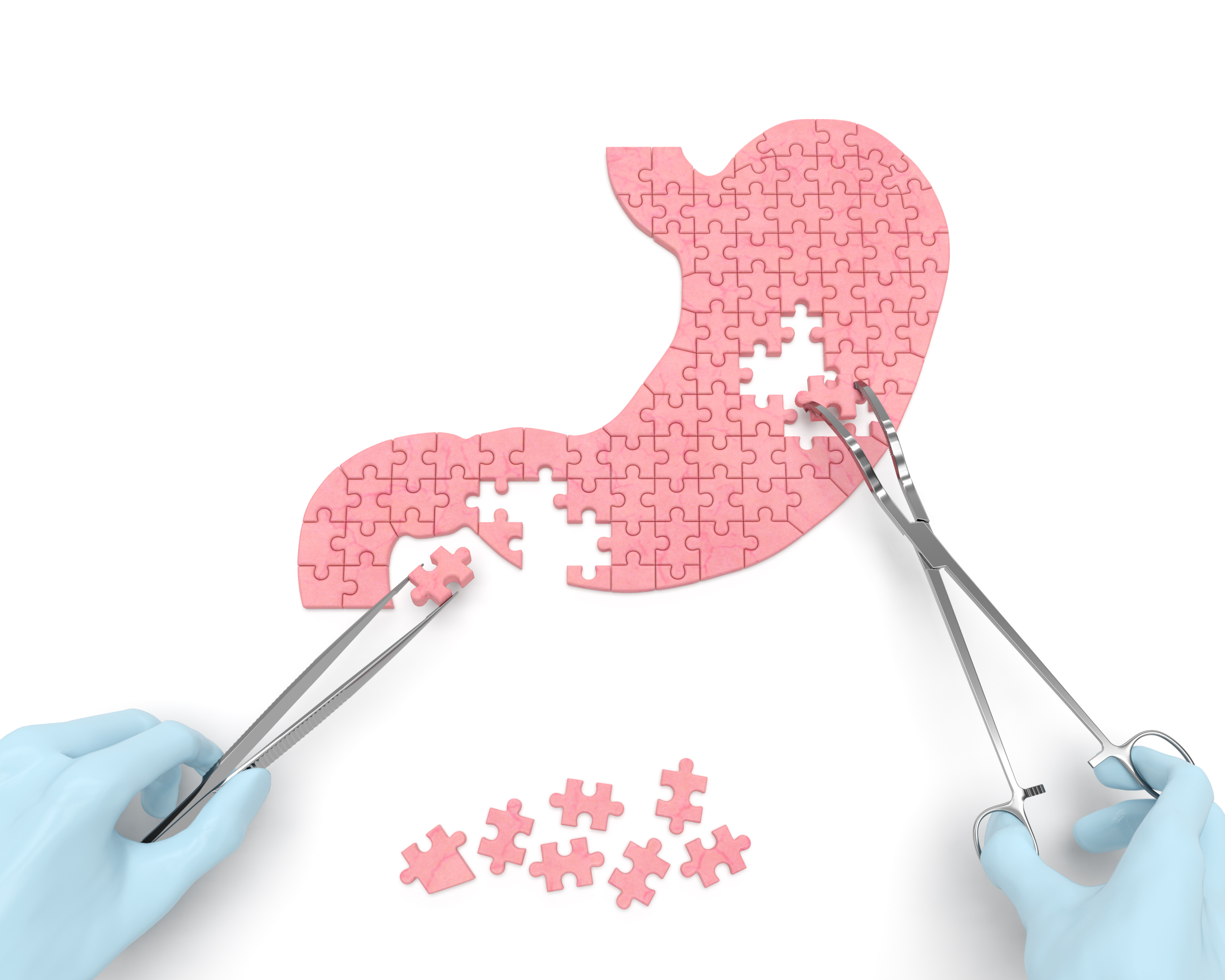
How quickly do patients lose weight?
The internet has unintentionally created a difficult benchmark.
Patients compare their month three with another person's month nine.
They compare their everyday reality with carefully selected photographs taken under perfect lighting and posted after exceptional progress.
What they do not see are the weeks when nothing happened.
Or the frustration.
Or the diet modifications.
Or the follow-up appointments.
Clinicians compare something much simpler:
Where are you today compared with where you started?
That comparison is usually the one that matters.
The pace varies considerably.
Some patients notice substantial changes within weeks, while others progress more gradually.
Rapid early loss does not necessarily predict the best long-term outcome.
Interestingly, patients who compare themselves to social media stories often experience excessive anxiety. Online success stories usually represent exceptional cases rather than typical ones, and they rarely show setbacks, plateaus, or lifestyle challenges.
Clinicians generally pay more attention to trends than to any single month’s result.
A slower but steady pattern is often easier to maintain than dramatic fluctuations.
The internet has created a new source of unnecessary worry.
Patients compare their month three with somebody else’s month nine.
They compare themselves with edited photographs, selective updates, and extraordinary cases that naturally attract attention.
Clinical follow-up is different.
Progress is evaluated against the patient’s own starting point rather than another person’s story.
The scale tells only part of the story
Sometimes the most meaningful improvements enter the consultation almost by accident.
A patient who feels disappointed about weight loss may offhandedly mention that she no longer avoids cinema seats with fixed armrests.
Another says he walked through an airport without searching for the nearest bench.
Someone else reports that tying shoelaces has become effortless again.
These instances never appear on weight charts.
Still they are often the moments patients remember years later.
Many patients become frustrated because they expected a larger numerical change.
Then they say something almost casually.
Their blood pressure medication has been reduced.
They no longer need to stop while climbing stairs.
Their sleep has improved.
Their knee pain has eased.
They fit into clothes they had stored away years earlier.
These improvements may appear before the final weight goal is reached.
Experienced bariatric teams celebrate these milestones because they often predict sustainable long-term health better than a single number on the scale.
Sometimes family members notice the difference before the patient does.
They comment that walking is faster.
Breathing sounds easier.
Energy lasts longer.
The patient may still be disappointed with the scale, even as everyone around them is already seeing change.
Numbers matter.
They simply do not tell the whole story.
Can weight return after gastric sleeve surgery?
Yes.
And acknowledging this is not pessimism—it is honesty.
The stomach changes after surgery, but human behaviour continues evolving throughout life.
Stressful jobs return.
Family responsibilities increase.
Travel becomes frequent.
Celebrations happen.
Comfort eating may reappear.
Patients sometimes assume that weight regain means the operation failed.
It does not.
Partial regain can occur even after an initially successful result. What matters is recognising it early rather than waiting until it becomes substantial.
One recurring observation is that the patients who seek help after gaining a few kilograms often regain control more easily than those who postpone follow-up for years.
Clinicians rarely worry regarding perfection.
They worry about delay.
Small corrections are usually manageable.
Large problems often began as small ones that nobody addressed.
Why some patients outperform expectations
From the outside, successful patients often appear highly disciplined.
Inside the clinic, their routines usually sound remarkably ordinary.
They buy the same foods each week.
They keep a water bottle nearby.
They schedule exercise before the day becomes busy rather than hoping time will appear later.
Nothing sounds impressive.
That is precisely why it works.
Simple habits survive stressful periods better than ambitious plans.
People often assume the highest motivation predicts the best outcome.
Surprisingly, consistency usually matters more than enthusiasm.
The patients who succeed long term often lead remarkably ordinary routines.
They eat protein first.
They stay hydrated.
They attend reviews.
They remain physically active even when their motivation is low.
They adjust after setbacks instead of abandoning the plan.
Nothing appears extraordinary.
Yet after several years, these ordinary habits produce extraordinary differences.
The routines themselves are rarely impressive.
Repeating them is.
The patients who perform best often describe their lifestyle as boring rather than inspirational.
From a clinical perspective, boring routines are often the most effective because they endure stressful periods that would else disrupt progress.
Social eating becomes one of the surprising challenges
Very few patients anticipate how often food is connected to relationships.
Birthdays.
Work lunches.
Family gatherings.
Vacations.
Friends encouraging “just one more bite.”
The technical part of surgery is completed in the operating theatre.
Learning how to handle social situations often takes much longer.
Some patients eventually discover that planning ahead for restaurant meals or celebrations prevents far more difficulties than relying on willpower in the moment.
Interestingly, the pressure is not always internal.
It often comes from people trying to be kind.
Food is closely linked to celebration, hospitality, and affection in many cultures.
Saying no may therefore feel socially uncomfortable even when medically appropriate.
Preparing for those moments usually works better than improvising during them.
Follow-up appointments become more important as patients feel better
This may seem contradictory.
Many patients attend every appointment immediately after surgery because they seek answers.
Months later, when they feel healthy, appointments appear optional.
From a clinician’s perspective, this is precisely when they become valuable.
Nutritional deficiencies could develop gradually.
Small behavioural changes may go unnoticed.
Minor concerns can often be corrected before they turn into serious problems.
Interestingly, surgeons are sometimes more reassured by a patient who asks many questions than by one who says,
“Everything is fine, I don’t think I need to come back.”
Recovery is not only about solving problems.
It is also about preventing them.
The appointments patients skip because they feel well are often the appointments that help them remain well.
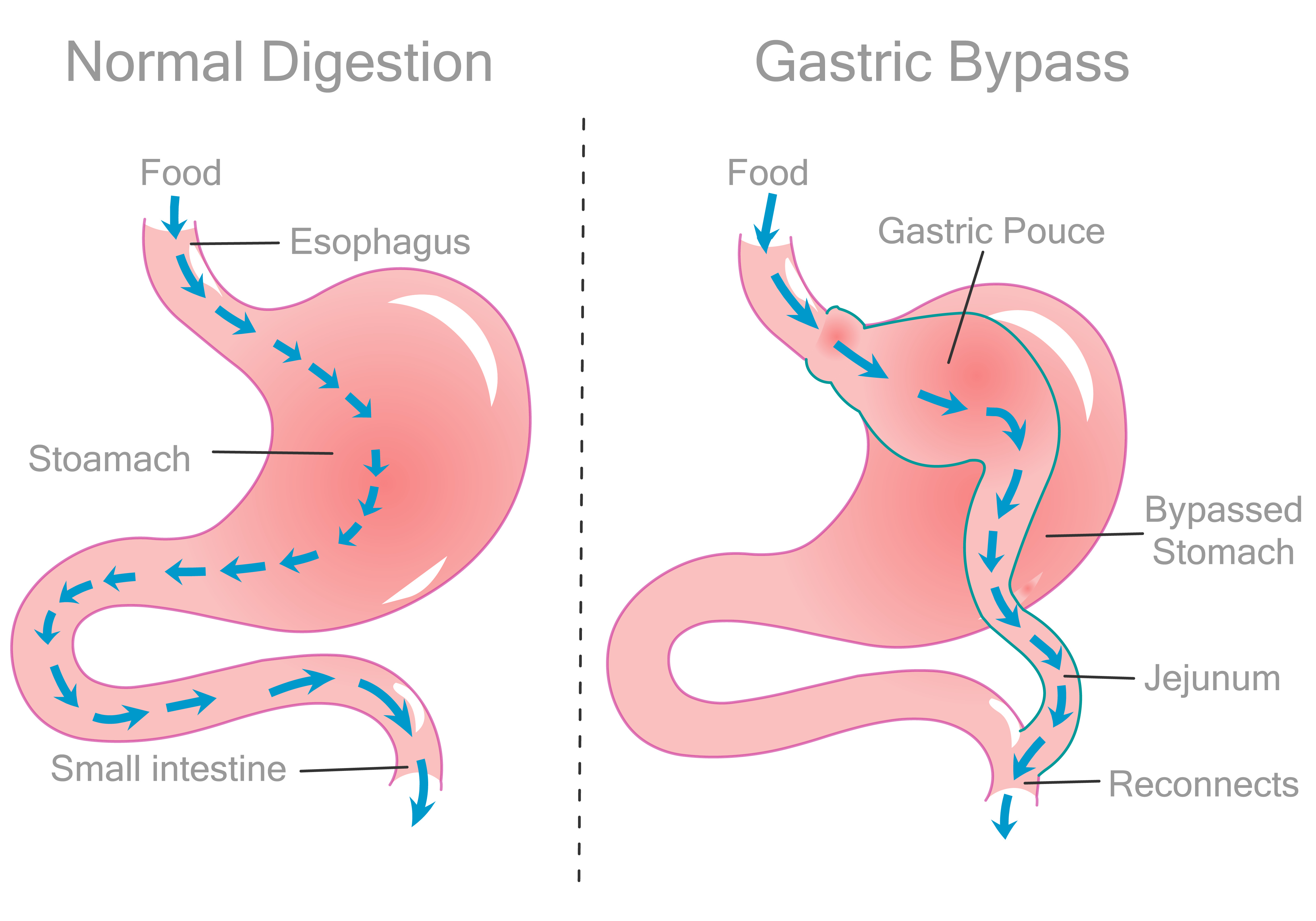
The question experienced clinicians often hear years later
Patients rarely say,
“I wish I had lost weight faster.”
More commonly they say,
“I wish I had understood how important the years after surgery would be.”
The operation changes anatomy in a single day.
Building a sustainable routine happens through hundreds of ordinary mornings, lunches, and evenings.
Very few patients remember exactly what the scale said on a Wednesday afternoon six months after surgery.
They remember climbing stairs without stopping.
Travelling comfortably.
Buying clothes without anxiety.
Playing with their children.
Sleeping through the night.
Those calm decisions, repeated often enough, usually explain why two patients with similar operations can have very different outcomes years later.
The operation creates an opportunity.
Everything afterwards determines how fully that opportunity is used.
Publishing Date: 25.09.2026 13:06:00
Date On: 25.09.2026 13:19:04
Editor: FF Bilişim Ltd. Şti.
* Prof. Atilla Parmaksızoğlu, M.D., contributed to the development of this content. The content of this page is for informational purposes only. It does not contain any information relating to healthcare services or treatments. Please consult your doctor for diagnosis and treatment. Click here to contact us.
* Prof. Atilla Parmaksızoğlu, M.D., contributed to the development of this content. The content of this page is for informational purposes only. It does not contain any information relating to healthcare services or treatments. Please consult your doctor for diagnosis and treatment.
Click here to contact us.