

How Eating Habits Change After Gastric Sleeve Surgery?
The operation takes a few hours. Eating habits take much longer.
When patients ask what life will be like after gastric sleeve surgery, they often expect an answer about portion sizes. They imagine smaller plates, smaller meals, and perhaps a smaller appetite.
In reality, portion size is only the most visible change.
What changes more profoundly is the relationship with food itself. Hunger feels different. Fullness arrives unexpectedly. Meals become slower. Shopping habits evolve. Even family dinners may feel strange for a while.
Spend enough time in a bariatric clinic and one pattern becomes difficult to ignore. The patients who adapt their eating behaviour usually experience a smoother recovery than those who simply try to eat less. They do not necessarily have greater willpower. They simply learn that they are no longer eating with the same body they had before surgery.
The stomach changes immediately.
Eating habits do not.
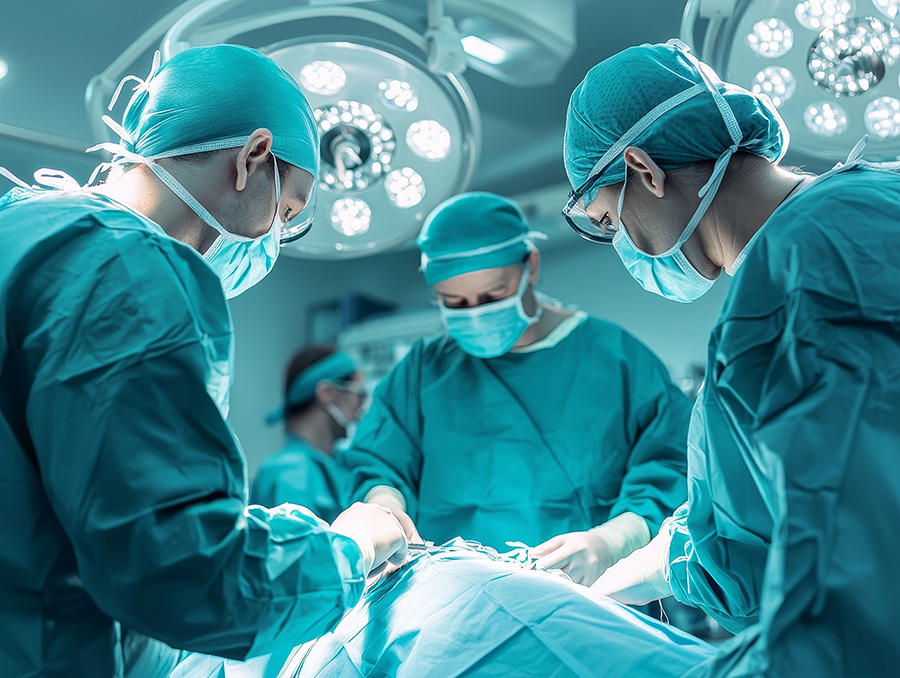
Why does eating change after gastric sleeve surgery?
A gastric sleeve procedure removes a large portion of the stomach, creating a narrow tube-shaped stomach with a significantly smaller capacity. The operation also affects hormones involved in appetite regulation, including ghrelin, which is produced largely in the part of the stomach that is removed.
For many patients, this means:
· Hunger becomes less intense.
· Fullness occurs much earlier.
· Large meals become uncomfortable.
· Eating too quickly may cause pain or nausea.
· Food choices become more important because every bite counts.
The biology changes first.
The habits must catch up.
That is why the first few months often feel strange. Patients are not simply recovering from an operation. They are learning a different way of eating while living the same life they had before. Work deadlines still exist. Children still need attention. Friends still invite them to restaurants.
The environment remains the same.
The body’s responses do not.
Hunger often becomes quieter—but not everyone notices it
Many people imagine they will simply stop feeling hungry.
The reality is often more subtle.
Some patients still experience hunger but describe it differently. Others realise they have gone several hours without eating because they simply forgot. Some mistake thirst for hunger, while others confuse fullness with discomfort.
Interestingly, clinicians frequently become more concerned when a patient says,
“I’m never hungry anymore, so I don’t really eat.”
Reduced appetite is expected.
Poor nutrition is not.
For years, some people organised their day around food. Breakfast happened automatically. Afternoon snacks appeared almost without thinking. After surgery, those signals may become much quieter.
At first, this feels like success.
Over time, however, forgetting to eat enough protein or drink enough fluids can create new problems.
Learning to recognise the body’s new signals is part of recovery. The goal is not to eliminate eating. It is to make eating more intentional.
Eating quickly suddenly becomes uncomfortable
Before surgery, finishing a meal in ten minutes might have caused nothing more than mild indigestion.
After surgery, the same habit can produce pressure in the chest, nausea, or vomiting.
The new stomach has limited capacity. Food needs time to pass comfortably.
Patients frequently discover that putting the fork down between bites is no longer a dietary recommendation—it becomes a practical necessity.
Those who slow down usually find meals far more comfortable than those who continue eating at their previous pace.
One patient may eat exactly the same amount of food in seven minutes and feel miserable.
Another may eat it over twenty-five minutes and feel completely comfortable.
The difference is not always the meal.
Sometimes it is simply the speed.
Many patients initially believe the stomach is rejecting food.
More often, it is asking for time.
Portion sizes become surprisingly small
One of the biggest emotional adjustments is not hunger.
It is expectation.
Many patients continue preparing meals that resemble their old portions.
Then they eat four or five bites and feel completely satisfied.
At first this can be frustrating.
Some worry they are wasting food.
Others think something is wrong because they cannot finish a meal.
Families sometimes become concerned as well.
Someone serves what they believe is a caring dinner.
The patient leaves half of it untouched.
Everyone looks at the plate.
In reality, learning to stop when comfortably full is one of the most important new skills after surgery.
The goal is no longer to finish the plate.
The goal is to meet nutritional needs without exceeding the stomach’s capacity.
Over time, many patients quietly begin serving themselves smaller portions. Not because they are dieting, but because their expectations finally catch up with their physiology.
Protein usually becomes the priority
Imagine having room for only a small number of bites.
Those bites matter.
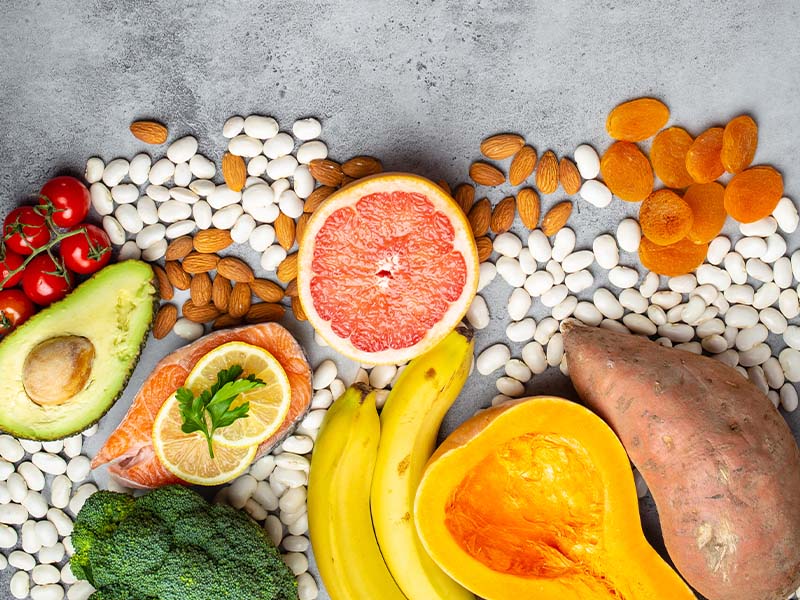
For this reason, bariatric teams generally encourage patients to focus on protein-rich foods before foods with lower nutritional value. Adequate protein intake supports healing and helps preserve lean body mass during fast weight loss.
Experienced clinicians often notice that fatigue blamed on “the surgery” is sometimes related to inadequate nutrition rather than the operation itself.
Patients rarely regret eating their protein first.
They often regret filling up on foods that offered little nutritional benefit.
Before surgery, a meal may have been organised around preference.
After surgery, it is often organised around priority.
Dessert can wait.
Protein usually cannot.
Drinking habits change too
Many people are accustomed to drinking while eating.
After gastric sleeve surgery, patients are commonly advised to separate fluids from meals according to their bariatric team’s recommendations.
Initially this feels inconvenient.
Eventually it becomes routine.
Interestingly, hydration problems are often not caused by a lack of available water.
They happen because patients simply cannot drink large amounts quickly anymore and must sip consistently throughout the day.
Many people do not realise how automatic drinking with meals has become until they consciously try to stop.
For a few weeks, it feels awkward.
Then one day they notice they are carrying a water bottle and drinking regularly without thinking about it.
The habit has changed.
Some favourite foods may lose their appeal
No surgeon can predict exactly how food preferences will change.
Yet many patients describe unexpected experiences.
Coffee suddenly tastes stronger.
Very sweet desserts become overwhelming.
Greasy foods may feel unpleasant.
Meanwhile, foods that were once ignored—such as yogurt, eggs, or grilled fish—can become everyday favourites.
This surprises families as much as patients.
Food preference is influenced by biology, sensation, and experience, all of which may shift after bariatric surgery.
Interestingly, these changes are not always logical.
Someone who loved coffee for twenty years may suddenly stop enjoying it.
Another patient who rarely ate eggs may begin choosing them every morning.
The body adapts in ways that cannot always be predicted.
Social situations can become more difficult than recovery itself
Recovery happens in a controlled environment. Life does not. Birthday parties. Restaurant meals. Work lunches. Family celebrations.
Someone inevitably says,
“Surely you can eat a little more.”
Patients often discover that the challenge is not physical hunger.
It is explaining why their eating habits have changed.
Supportive families usually make the transition easier than supportive diets alone.
Interestingly, the pressure often comes from kindness more instead of criticism.
Food is how many families celebrate, comfort, and show affection.
Declining another serving may therefore feel socially uncomfortable.
Planning ahead often works better than relying on willpower in the moment.
.jpg)
Snacking deserves more attention than most people realise
Weight regain rarely begins with one large meal.
It often begins with dozens of small ones.
A biscuit while making tea.
A few crisps while cooking.
Chocolate from the office kitchen.
Each decision seems insignificant.
Together they create a pattern.
The scale is often the last place where the problem becomes visible.
Long-term success usually depends less on avoiding celebrations and more on avoiding unconscious grazing throughout typical days.
Weight regain rarely announces itself dramatically.
It usually arrives disguised as convenience.
The ability to eat more over time is normal
Some patients become worried a year after surgery because they can eat more than they could during the first month.
They assume the operation has failed.
Usually, this reflects normal adaptation.
The important question is not whether capacity has increased slightly.
It is whether healthy eating habits have developed alongside that change.
The operation creates an opportunity.
Behaviour determines whether that opportunity lasts.
A slightly larger meal accompanied by healthy routines is often less concerning than a very small meal followed by constant snacking throughout the day.
Clinicians therefore pay attention to patterns instead of isolated moments.
Follow-up appointments matter even when everything seems fine
An interesting pattern appears repeatedly in bariatric practice.
Patients experiencing problems usually contact the clinic.
Patients feeling well often stop going to follow-up appointments.
Ironically, nutritional deficiencies and behavioural drift may develop quietly long before symptoms become obvious.
Regular follow-up permits healthcare teams to identify issues early, review vitamin supplementation, assess dietary intake, and reinforce healthy habits before small problems become larger ones.
Medicine is not only about treating complications.
It is also about preventing them.
The appointments patients skip because they feel well are often the appointments that help them remain well.
Eating after gastric sleeve surgery is not simply eating less
Many people imagine life after surgery as a smaller version of their previous diet.
It rarely works that way. The timing changes. The speed changes. The priorities change.
Even the emotions surrounding food may change.
The patients who achieve durable success are not necessarily those with the strongest willpower.
They are often the ones who accept that they are learning a new skill.
Years later, very few people remember exactly how many bites they could eat during the first month after surgery.
They remember walking upstairs without stopping. Buying clothes because they liked them rather than because they fit. Going to a restaurant without anxiety. Sleeping better. Feeling healthier. The operation changes the stomach in a morning. Learning how to eat again takes much longer. And for many patients, that education becomes the most important part of the journey.
Publishing Date: 8.09.2026 11:39:00
Date On: 25.09.2026 11:47:06
Editor: FF Bilişim Ltd. Şti.
* Prof. Atilla Parmaksızoğlu, M.D., contributed to the development of this content. The content of this page is for informational purposes only. It does not contain any information relating to healthcare services or treatments. Please consult your doctor for diagnosis and treatment. Click here to contact us.
* Prof. Atilla Parmaksızoğlu, M.D., contributed to the development of this content. The content of this page is for informational purposes only. It does not contain any information relating to healthcare services or treatments. Please consult your doctor for diagnosis and treatment.
Click here to contact us.